
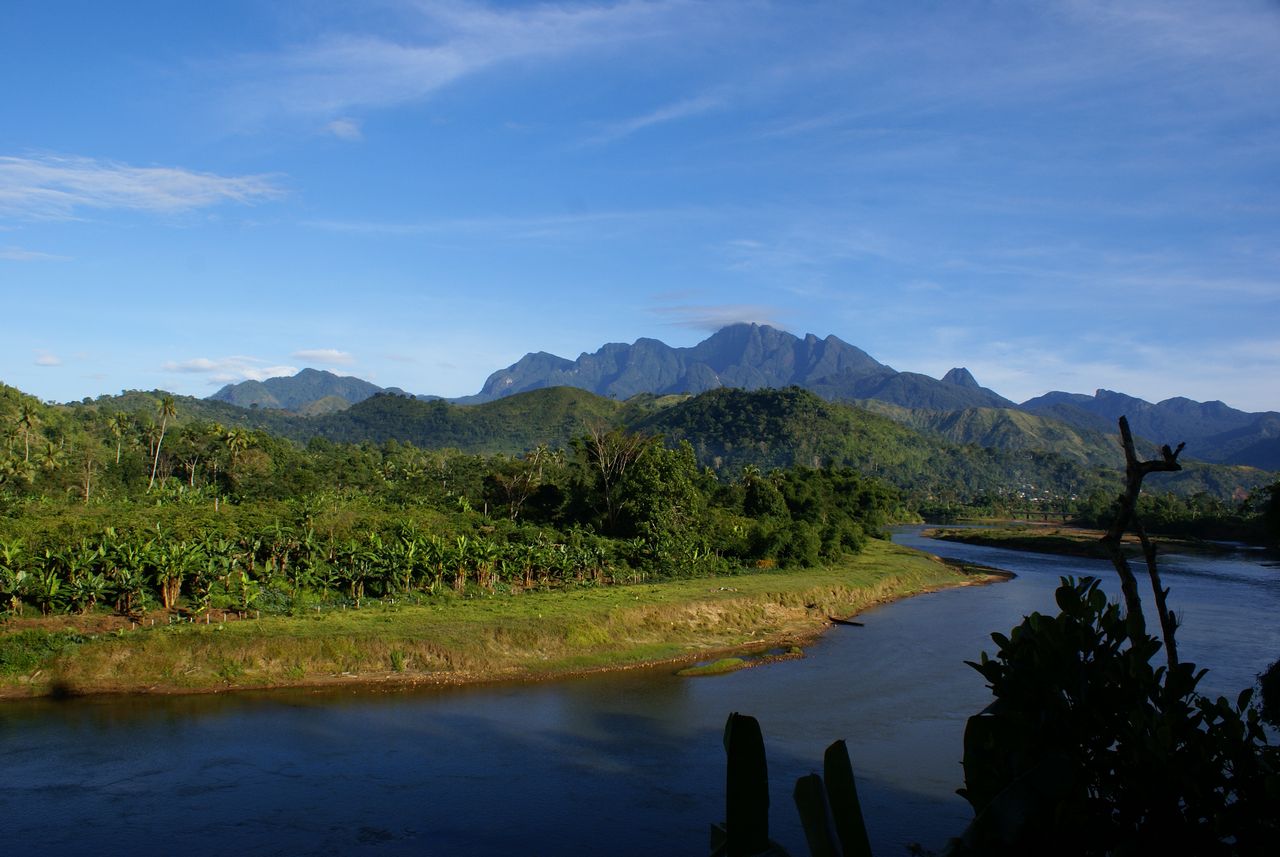
A Forest Gradient from Lowland to Montane Zones
Ascending Marojejy, vegetation shifts through three distinct bands. Lowland forest gives way to mid-elevation rainforest dense with mosses and epiphytes, which in turn transitions into montane forest as the slope steepens. Madagascar National Parks documents this gradient as the defining ecological structure of the massif, with shrubby high terrain occupying the uppermost reaches near the summit.
Silky Sifaka Habitat in the Mid-Elevation Forest
The mid-elevation and montane forest bands support the silky sifaka, Propithecus candidus, one of the rarest primates on Earth. Marojejy is among the few protected areas where this lemur retains viable habitat. Its presence within the park boundary was a primary consideration in the Rainforests of the Atsinanana nomination assessed by UNEP-WCMC and reviewed by the UNESCO World Heritage Committee.
Marojejy as a Component of Rainforests of the Atsinanana
The 2007 World Heritage inscription grouped Marojejy National Park with five other protected areas across eastern Madagascar into a single serial site. The inscription criteria cited the exceptional biodiversity and high levels of endemism found across the Atsinanana rainforest corridor, with Marojejy contributing the northern extent of that protected chain and its full elevational range up to 2,132 m.