
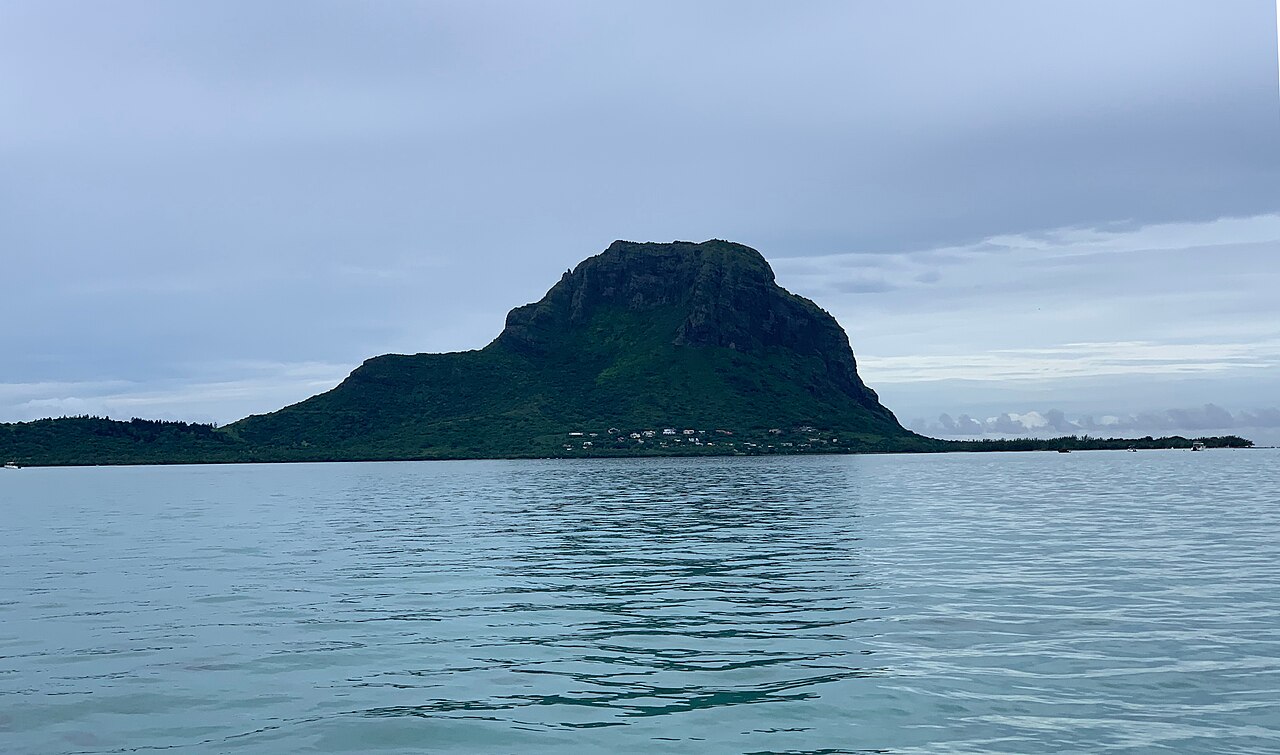
Volcanic Rock and Terrain
Le Morne Brabant is a basalt cliff on the southwestern tip of Mauritius. The Le Morne Heritage Trust Fund classifies the rock as olivine basalt approximately 8 to 10 million years old, representing an older phase of Mauritian volcanism. The mountain's near-vertical cliffs and summit caves define the terrain above the surrounding Indian Ocean coastline.
Maroon Refuge and World Heritage Recognition
Maroons were people who escaped enslavement. During the eighteenth and early nineteenth centuries they found refuge in the caves and on the slopes of Le Morne. The Heritage Trust Fund recognises the mountain as a memorial to their resistance. UNESCO inscribed Le Morne as a World Heritage cultural landscape in 2008 to preserve its association with the living memory of resistance to enslavement.
Archaeological Evidence of Occupation
In 2002 a forestry team discovered a rock shelter on Le Morne. Archaeologists subsequently documented ash, animal bones, and intentionally placed stones within shelters on the mountain. These finds constitute material evidence of occupation during the period of refuge. The evidence does not identify all occupants, and the inscribed landscape protects the site together with its documented historical significance.