
Volcanic Ground and Irrigated Gardens
The volcanic soils around the village surveyed in Kilema Kaskazini are Andosols. On these small plots, households grow coffee and bananas alongside other foods. Leaves and crop residues become fodder or mulch, while manure from cattle or goats returns nutrients to the soil.
The sampled village lies at about 1,600 metres. Across the southern slopes, Chagga farmers diverted river water into channels that follow the contours to carry water to gardens along the hillsides. Two rainy seasons help sustain cultivation at this elevation.
Mission Foundation and the Arrival of Arabica
The Tübingen–Moshi Project dates the foundation of the Catholic mission at Kilema to February 1891. The mission's establishment anchored an institutional presence on this part of the mountain at a time when the slopes were already farmed by the Wachagga people. Within the same decade, Catholic missionaries introduced a Bourbon-type Coffea arabica to Kilema, brought via Réunion. The Tanzania Coffee Board identifies this as a successful second attempt after an earlier effort at Matombo in Morogoro had failed, making Kilema a significant early site in the crop's history in the country.
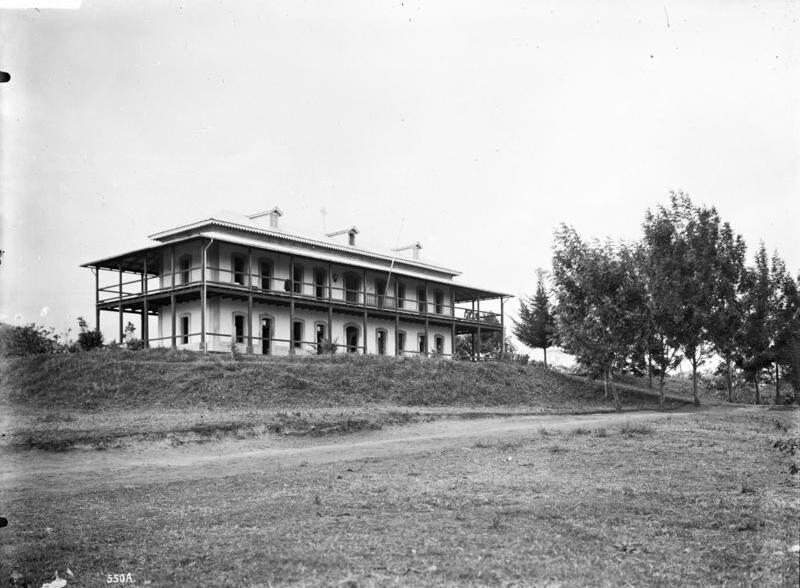
A photograph by Walther Dobbertin shows the mission above an unpaved track between 1906 and 1918. The building has a deep veranda, and tall trees mark the edge of the grounds.
Coffee Growers Through the Colonial and Contemporary Record
In a return dated 11 July 1930, the Kilimanjaro Native Planters Association listed 1,010 coffee growers in Kilema. The return survives in the Tanzania National Archives and gives a sense of how far smallholder cultivation had spread in the decades after the first plantings at the mission.
In 2017, Yuri Ichinose interviewed 31 households in one village in Kilema Kaskazini. Nineteen still grew coffee. The gardens shared space with bananas, beans and other food crops, and coffee also appears in the ward’s 2024 fertilizer allocation.