
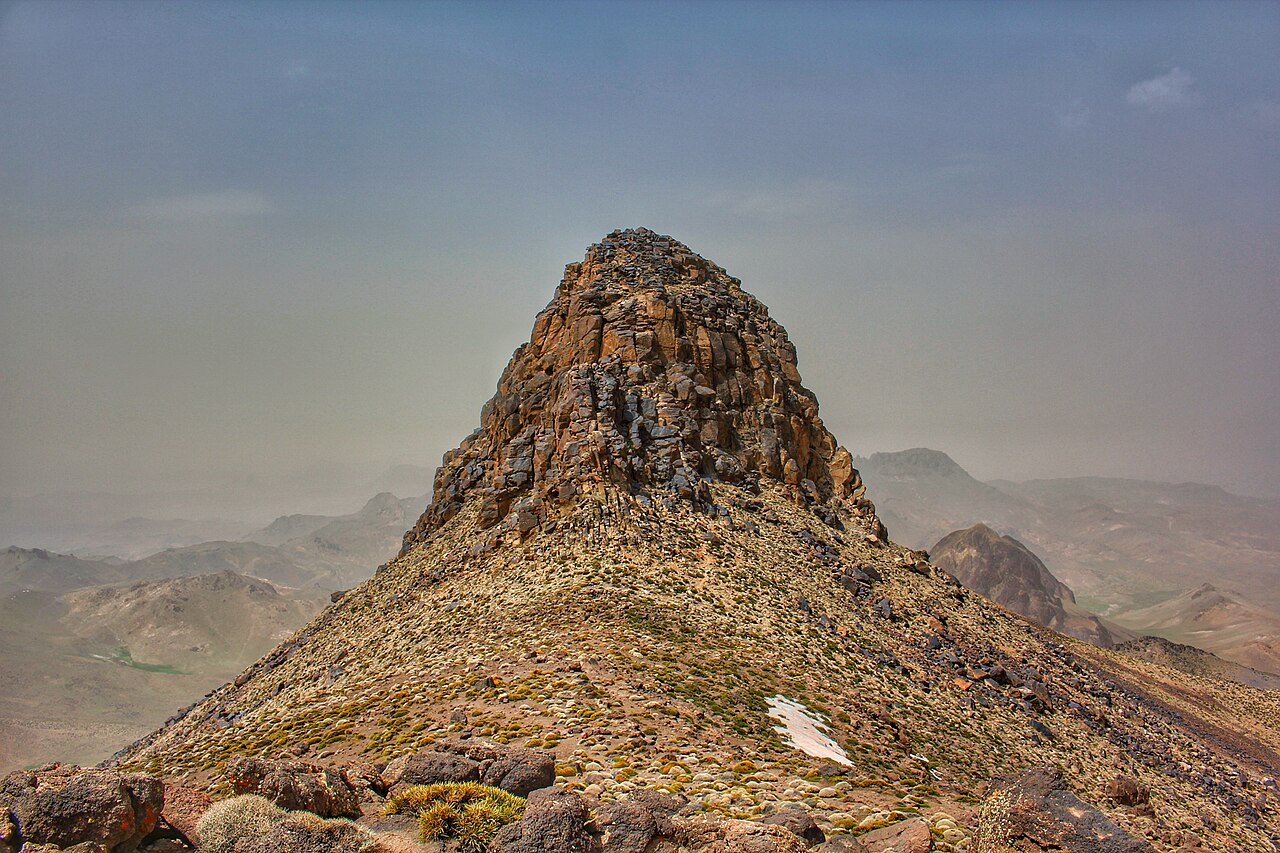
Volcanic Geodiversity of the Sirwa Massif
Mohammed V University field studies map the exposed volcanic structures of Sirwa in detail, identifying lava flows and pyroclastic products distributed across the massif alongside a central vent and crater at the summit. These features represent the eroded remnants of past volcanic processes rather than any active system, and the geological survey describes the site as a significant example of volcanic geodiversity within the Atlas ranges.
Taliouine Saffron and the Massif's Role in Valley Agriculture
The valleys and communes around Sirwa form the production area for Taliouine saffron, documented by the FAO as a case study in origin-linked cultivation. Farmers apply traditional crop rotation practices and draw irrigation water from the Sirwa massif. Volcanic soils derived from the massif contribute to the growing conditions the FAO associates with this production system.
2010 Designation of Origin and WIPO Record
A Moroccan Ministry of Agriculture order issued in 2010 established the designation of origin for Safran de Taliouine, protecting the name in connection with the defined production area. The legislation is recorded at WIPO under its WIPOLex database, providing the primary accessible record of the designation's legal basis and geographic scope.