
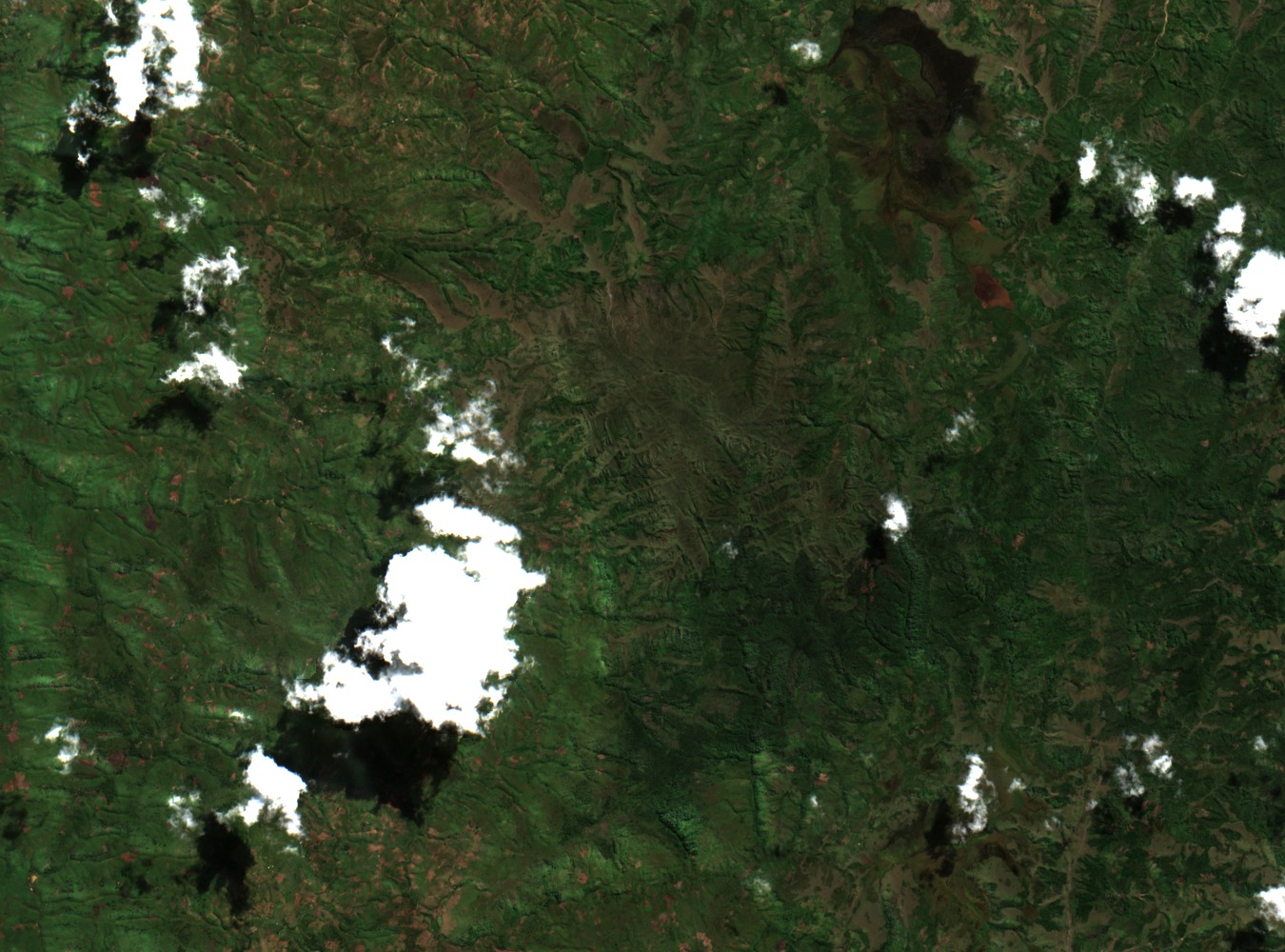
Terrain from Ruzizi Escarpment to Western Forest Gradient
The eastern face of the Itombwe massif forms a pronounced escarpment above the Ruzizi plain, creating a sharp altitudinal transition from lowland to montane conditions. The western slope is markedly less steep, grading through high grassland and bamboo into lower montane forest as elevation falls. This asymmetry in gradient and vegetation structure gives the massif a distinct ecological profile documented in Key Biodiversity Areas terrain assessments.
Itombwe Natural Reserve: 2006 Establishment and 2016 Boundary Agreement
The Itombwe Natural Reserve was established in 2006, covering part of the massif. Its boundary was formally agreed following structured consultation with resident communities, a process documented in a participant field study published in Oryx and completed in 2016. That study recorded the negotiation procedures and community engagement methods used to reach the agreed boundary, providing a detailed account of how the reserve's spatial extent was settled.
Congo Bay Owl and the Massif as a Documented Range
The Congo bay owl, Phodilus prigoginei, is documented as occurring within the Itombwe massif. The species is noted in Key Biodiversity Areas records as part of the massif's fauna, though its occurrence is attributed to the broader massif rather than to any specific elevation zone or summit. The Itombwe area has been a focus of ornithological attention given the concentration of range-restricted forest birds recorded across its forested slopes.