
Summit Topography and Elevation Measurements
Lotus Peak, Heavenly Capital Peak, and Bright Summit are the three high peaks featured prominently in Huangshan's scenic area, and they differ clearly from one another in form and orientation. According to survey data published in the 2007 announcement by China's National Bureau of Surveying and Mapping and the Ministry of Construction, Lotus Peak stands at 1,864.8 metres; the UNESCO World Heritage page records it as 1,864 metres. These two figures represent different levels of precision for the same summit, not references to different peaks.
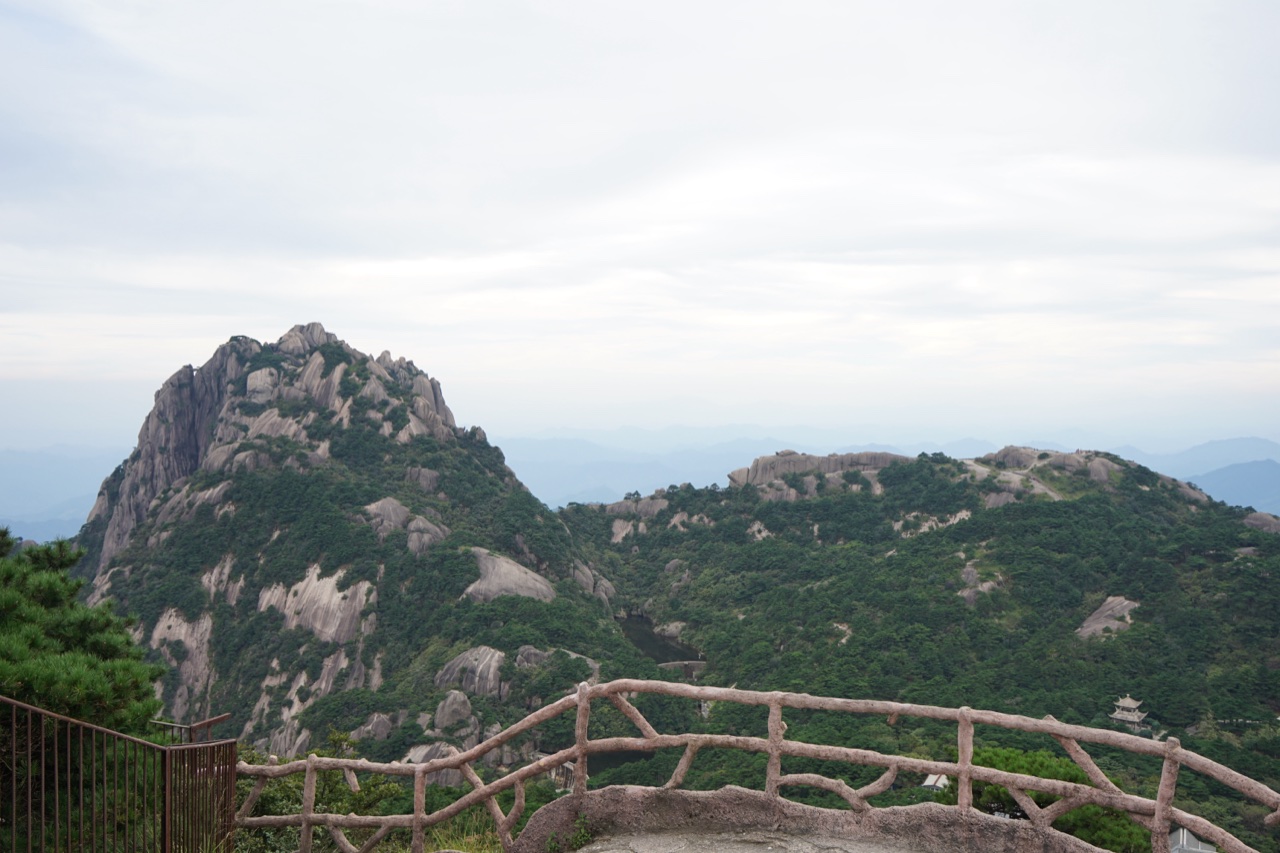
Huangshan's granite landforms are one of its most striking natural features: prolonged geological processes have produced a forest of rock spires, fissures, and oddly shaped stone formations. Seas of clouds appear frequently in the valleys and between the peaks, causing the visual relationship between elevations to shift continuously with weather conditions — a phenomenon that has historically been the primary lens through which painters and writers have documented Huangshan.
Historical Name and Cultural Origins
Huangshan appears in historical sources under an earlier name, Yishan (黟山); both designations occur in ancient records and represent alternate names at the documentary level, rather than alternatives to the name in common use today. Lotus Peak, as a named summit within the scenic area and the most commonly cited designation for Huangshan's highest point, is discussed separately in local scenic-area descriptions, where it is listed alongside the other two peaks.
From the Tang dynasty onwards, Huangshan appeared frequently in poetry and painting, becoming one of the most important sources of imagery in China's tradition of landscape art. When UNESCO inscribed it on the World Heritage List in 1990, the outstanding universal value it cited was precisely this accumulated significance — the long intertwining of natural scenery and literati tradition.
Vegetation and Visual Composition
The Huangshan pine is the most recognisable element of this mountain's vegetation. Growing from cracks in the granite, these pines frequently develop horizontally spreading or asymmetrical crowns, shaped by the angle of the rock face and the direction of light. This growth habit, set against sheer cliff walls and drifting seas of clouds, forms the visual character that distinguishes Huangshan from other mountain landscapes, and constitutes a recurring formal language in paintings across the dynasties.