
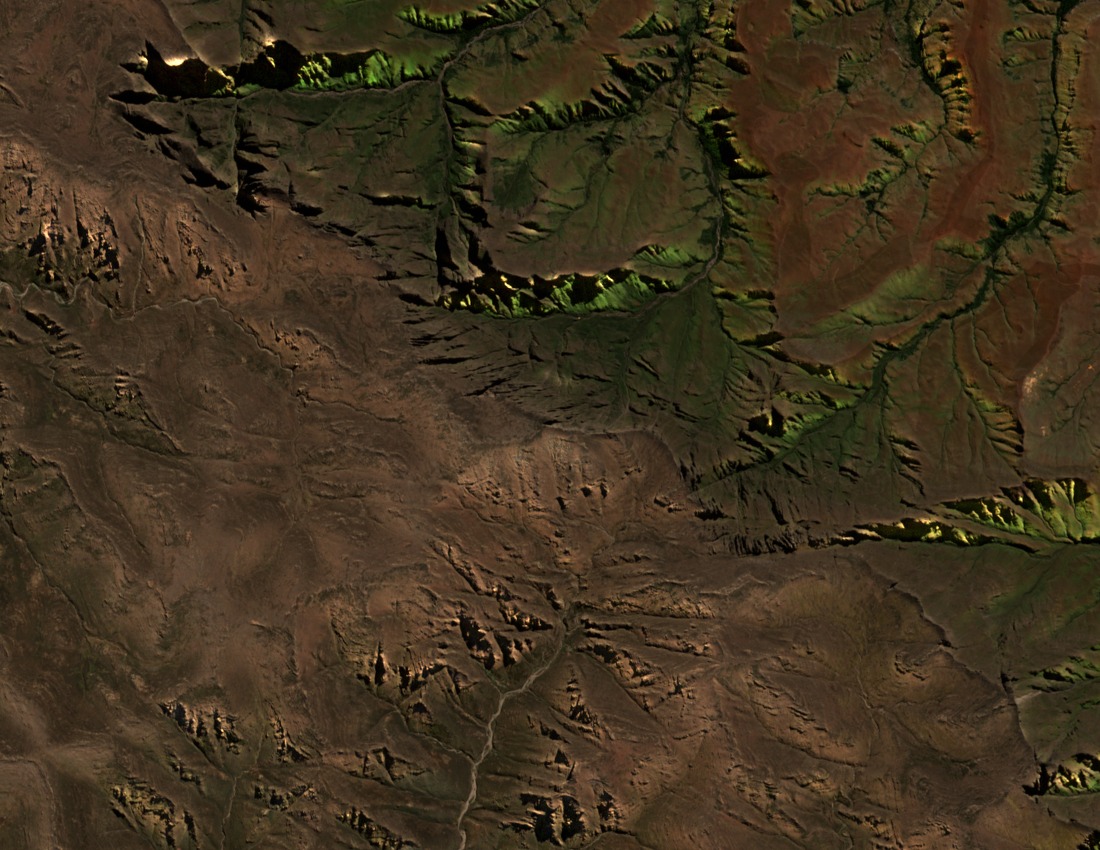
Basalt Escarpment and Geological Setting
The upper reaches of Cleft Peak consist of Drakensberg basalt, the resistant volcanic cap that characterises the high escarpment across this sector. University of Pretoria geological studies of the adjacent Injisuthi area document the layered basalt formations that give the high berg its characteristic cliff profiles and broad summit pavements, features shared by Cleft Peak and its immediate neighbours.
Erica straussiana and the 1942 Germain Collection
A herbarium voucher held by SANBI records Erica straussiana collected on a rocky slope at Cleft Peak in 1942 by R. G. A. Germain. The specimen documents pale purple flowers and represents one of the earliest formal botanical collections attributed to this summit. Germain's fieldwork contributed to the broader inventory of high-altitude Cape heaths extending into the Drakensberg escarpment zone.
High-Altitude Grass Communities on Basalt Pavement and Streambank
Historical field surveys published in Bothalia distinguished between grass communities occupying dry basalt pavements and those colonising wet streambanks within the high berg, a distinction that applied to surveys spanning the Cathedral Peak sector. The two microhabitats support different assemblages, and Cleft Peak's escarpment surface includes both exposed pavement and drainage lines where these contrasting communities occur.