
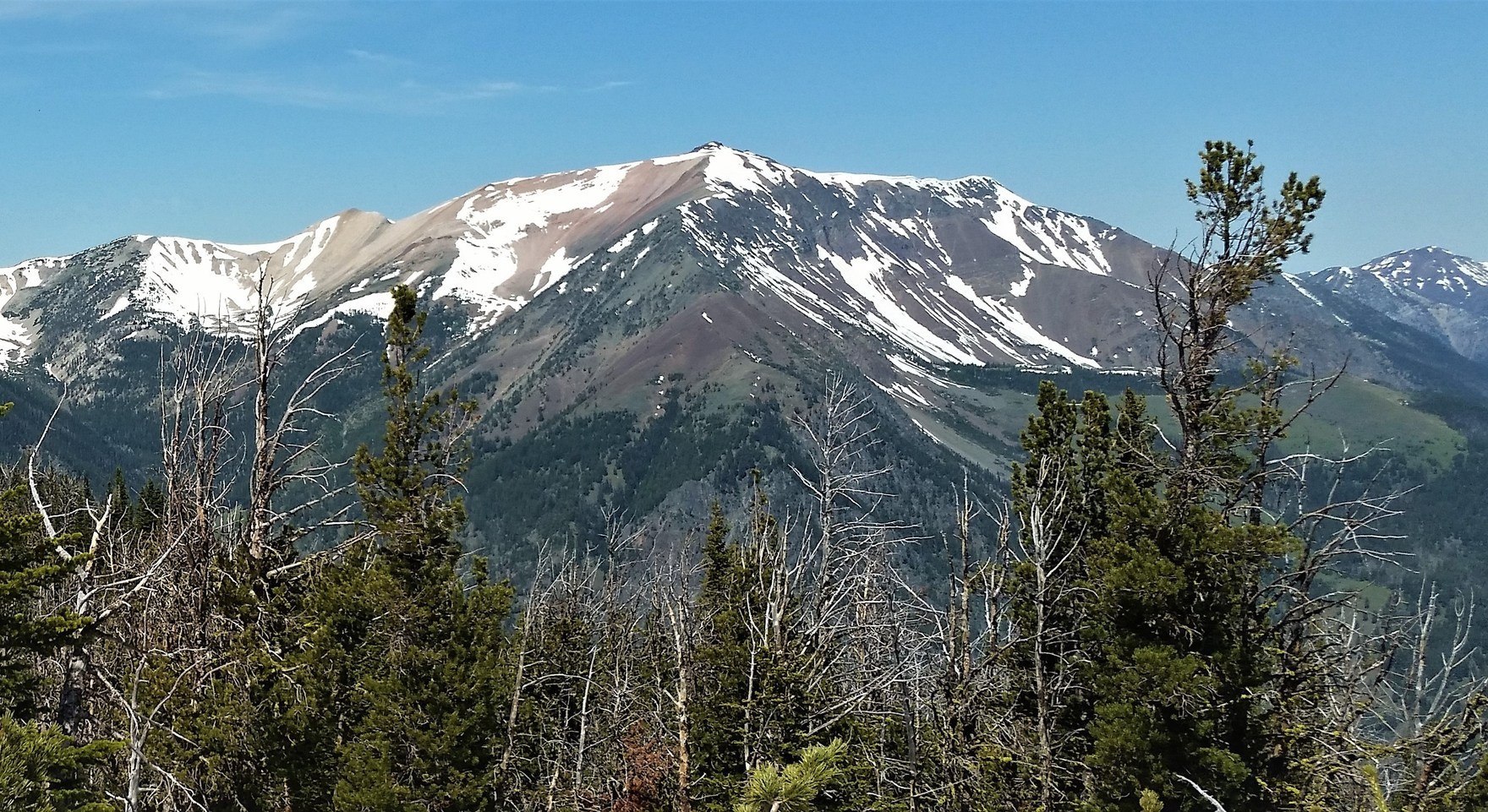
Triassic Sedimentary Foundations
Oregon state geologists identify Chief Joseph Mountain's dominant rock as the Triassic lower sedimentary series — ancient marine beds distinct from the porphyritic Clover Creek Greenstone lavas at Mount Howard. The state geology volume draws this comparison explicitly when describing both mountains from across the lake basin, distinguishing sedimentary accumulation from submarine volcanic origin.
The nimíipuu Wallowa Band and Their Homeland
National Park Service records document that Old Chief Joseph — Tuekakas — refused to sign the 1863 treaty that would have relocated his people from the Wallowa Valley, and died in 1871 near the lake's northern shore. His son led the band during the 1877 crisis, when a government order forced their departure toward Idaho.
Name, Recognition, and Place
The Board on Geographic Names recorded its decision on the name Chief Joseph Mountain in 1925. Its record does not specify whether the designation honors the father or the son. The mountain sits directly above the lake basin and the site of Old Chief Joseph's grave, making the cartographic connection geographically immediate.