
Cultural and natural heritage
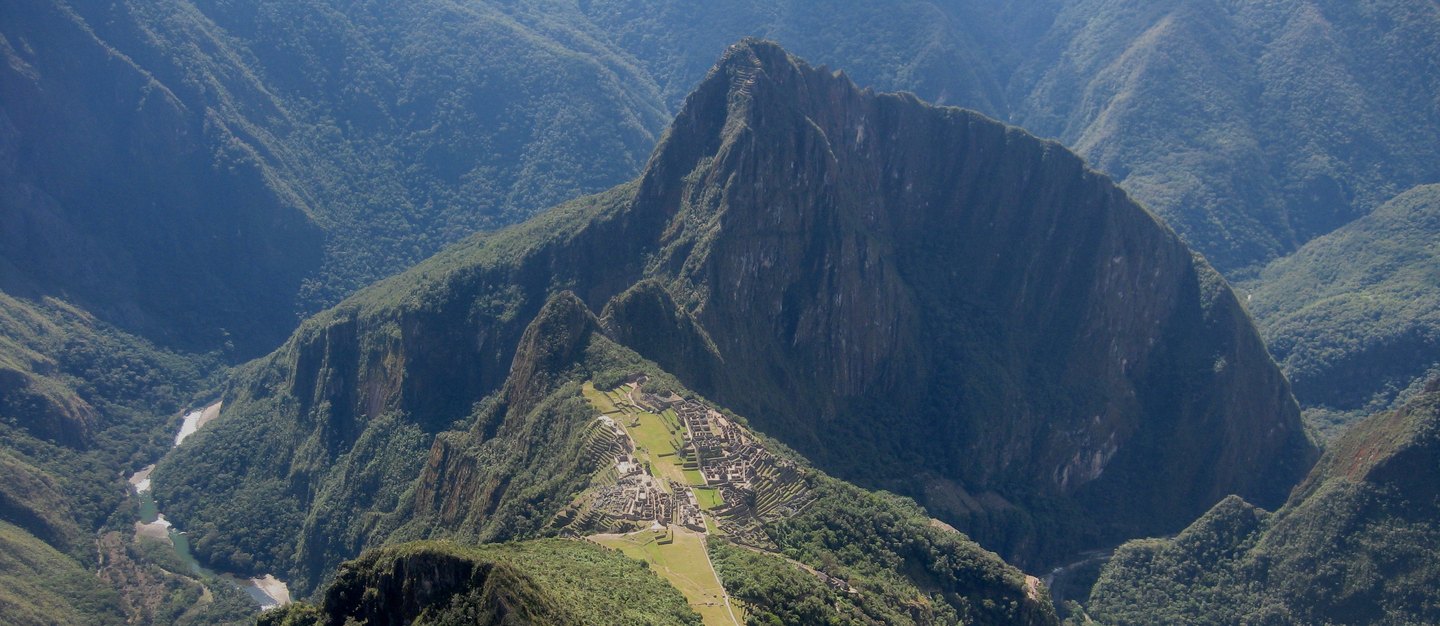
UNESCO inscribed the Historic Sanctuary of Machu Picchu as cultural and natural heritage, a recognition that encompasses the Inca city and the landscape in which it sits. The construction of the city is placed in the fifteenth century by that organisation. The scope of that recognition applies to the sanctuary as a whole, not to the mountain as a separate entity.
The llaqta and its terraces
The Inca llaqta features stone terraces and constructions that are integrated into the steep terrain on which it sits. That architectural ensemble belongs to the city, not to the hillside of the mountain to the south. The character of the place lies in that unity between architecture and landscape that UNESCO recognised when inscribing the sanctuary.
Route 1-A
The regulations of the Ministry of Culture of Peru designate the path to Montaña Machupicchu as route 1-A, separating it from the panoramic circuit that runs through the llaqta. Within that circuit the regulations identify platforms, terraces, the Guardhouse, and the path leading towards the mountain, establishing a spatial distinction between the route through the city and the ascent of the mountain.