
Intrusive Origins
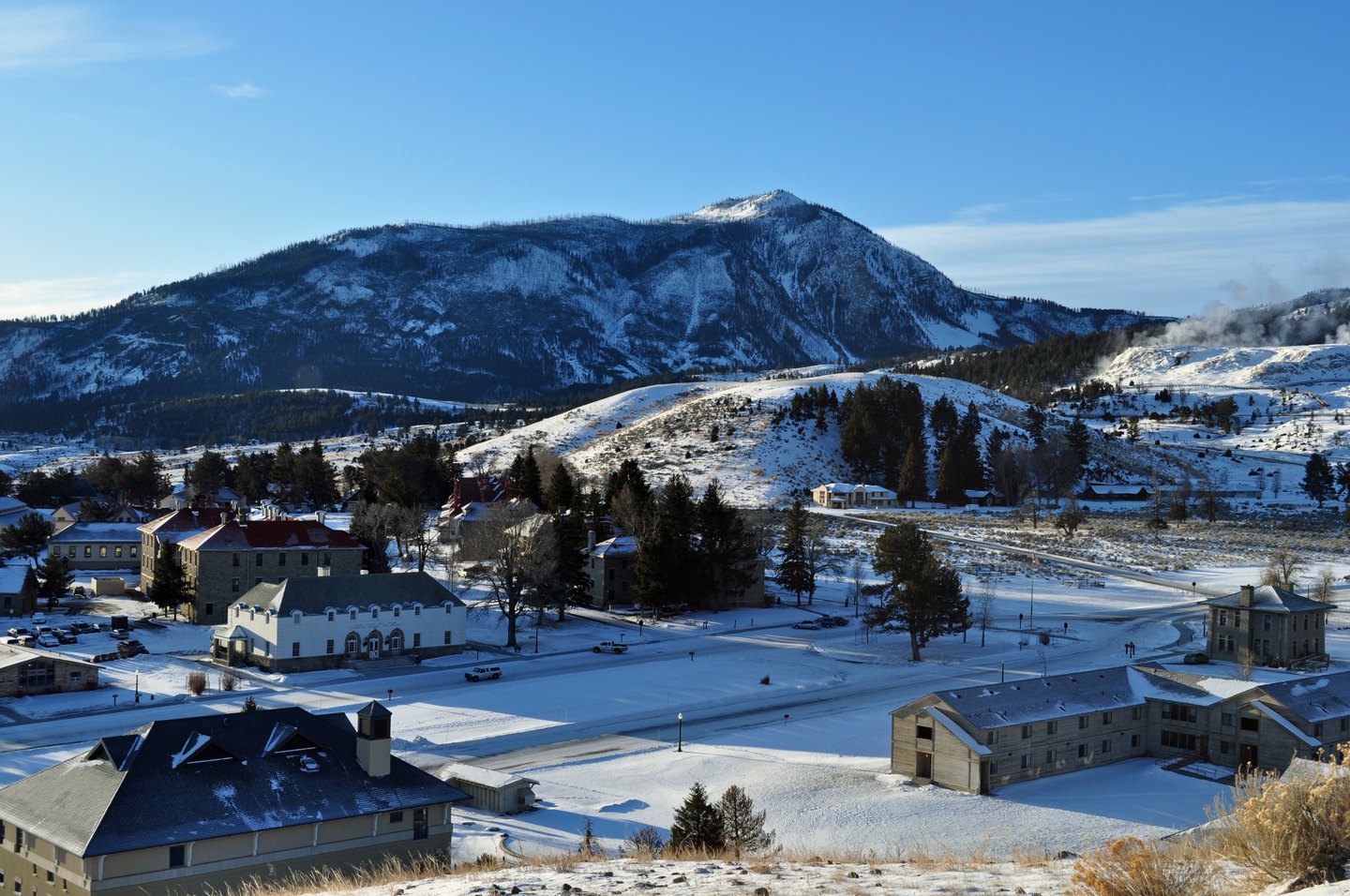
The National Park Service describes Bunsen Peak as solidified magma intruded into surrounding rock roughly 50 million years ago. The park links this formation to the Absaroka Volcanics, an older volcanic episode that makes up part of the broader regional geologic record.
The Namesake's Connection
The peak takes its name from Robert Wilhelm Bunsen, the nineteenth-century German scientist known for his research on geysers in Iceland. That body of work gives the name a particular resonance within a national park whose defining features include active geysers and extensive hydrothermal fields.
Landscape and Summit Use
The National Park Service describes the terrain of Bunsen Peak as a mix of forest, meadows, and rocky slopes. From the summit, views extend over Swan Lake Flat, the Gallatin Range, and the Yellowstone River Valley. The summit also serves as a site for park communication equipment.