
Beta Giyorgis and the Ona Nagast Settlement Evidence
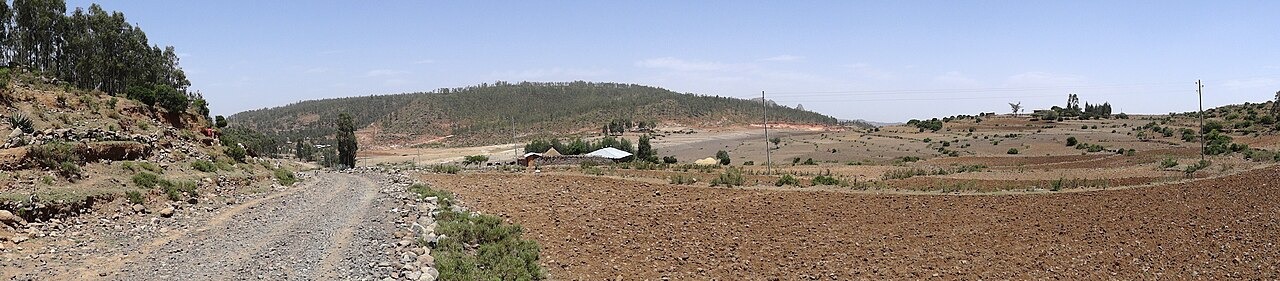
Boston University's archaeological field team identified occupation layers at Beta Giyorgis corresponding to the Ona Nagast cultural phase, with the Annales d'Éthiopie study estimating the early polity at the hill to approximately 450–150 BCE. Burials and structural remains recovered during those excavations suggest organised community activity well before the stelae fields of the lower town were established.
UNESCO World Heritage Designation and the Lower Town Monuments
UNESCO inscribed Aksum as a World Heritage property in 1980, recording the stelae, royal tombs, and standing remains concentrated in the lower settlement. The designated archaeological landscape spans both the elevated terrain and the valley floor, with the hilltop sites interpreted as an earlier phase rather than the principal location of the later monumental core.
Urban Growth and the 2017 Aksum Structure Plan
The Tigray regional authorities produced a structure plan for Aksum, documented in 2017, that identified expanding residential development as a pressure on subsurface archaeological deposits adjacent to the heritage zone. The plan links the topographic relationship between the hills and the lower town to decisions about where future urban growth can be directed without compromising known and potential archaeological areas.