
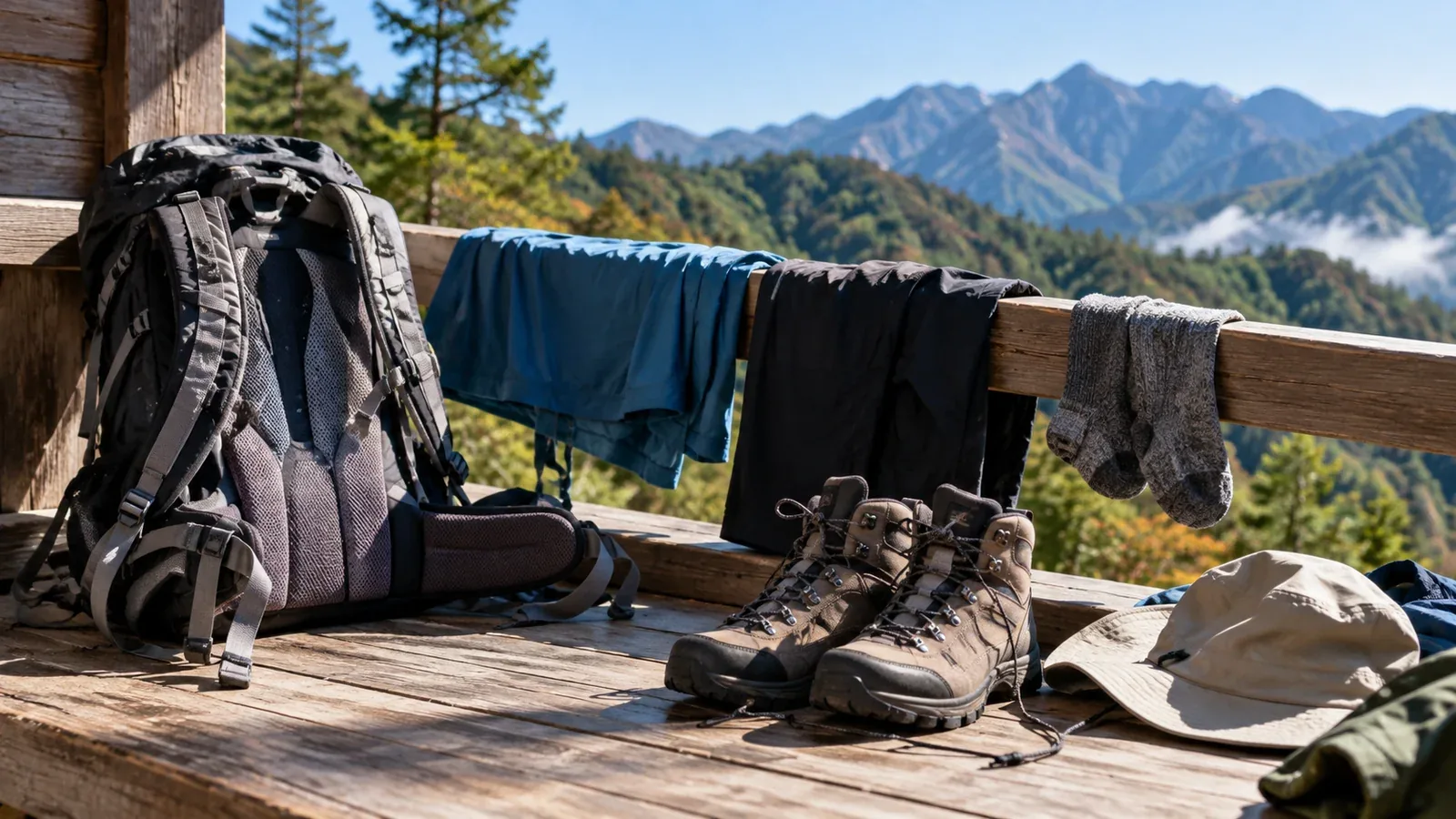
After a hike, clothes and packs can retain a sweaty smell. Sweat and skin oils transfer to the fabric, where microorganisms can make the odor stronger. Some polyurethanes, such as those used in hiking boot midsoles, can also break down through hydrolysis.
Distinguish between smells you can reduce by washing and changes that suggest material damage. Smell alone cannot tell you what caused the damage or whether the equipment is safe to use.
Why sweat odors linger
Microorganisms transferred from your skin contribute to odor in clothing after exercise. A study of polyester and cotton T-shirts worn during exercise found stronger odors and different microbial communities on polyester. How long odors linger varies by fabric and use.
Odors can build up when you leave damp gear in a bag. Take out base layers worn under rainwear and air out pack back panels when you get home.
How to wash synthetic fabrics and remove odors
The basics
- Air out your gear after the hike. Keep damp gear out of closed bags and car trunks.
- Wash promptly. If sweat or dirt remains, wash according to the care label. If you cannot wash it right away, spread it out to dry.
- Use the right amount of detergent. Choose a detergent suitable for the garment, measure it as directed, and rinse thoroughly following the garment instructions.
- Dry according to the label. Air-dry in a shaded, well-ventilated spot. Use a dryer only at the temperature and setting permitted by the manufacturer.
If the smell remains
If a smell persists after washing, check that the garment was thoroughly rinsed and dried. Use oxygen bleach or soak the garment only if the garment's label and instructions allow it, and follow the cleaning product directions. GORE-TEX garments should not be treated with either oxygen or chlorine bleach.
Some wool-blend base layers retain less odor. Fiber content, blend ratios, and fabric treatments affect care, so follow the label for detergent type and water temperature.
Washing your pack
Follow the pack instructions. Wipe the back panel and shoulder straps with a damp cloth, and wash the whole pack only if the manufacturer allows it. Remove the frame and padding only if designed to come out for cleaning. Open the pockets, air-dry the pack in the shade with good airflow, and wait until the inside is dry before storing it.
What hydrolysis is and what to look for
Hydrolysis is a reaction in which water breaks chemical bonds in a material. It can occur in polyurethane hiking boot midsoles. Some polyurethane-based materials used in packs and clothing can also deteriorate with moisture.
The following changes are reasons to inspect the material and its bonds. They can occur for several reasons besides hydrolysis.
- A new smell that persists
- Sticky, cracked, or crumbling soles or padding
- Waterproof seam tape that lifts or peels away
- Midsoles that change in firmness or springiness or become distorted
Washing cannot reverse material damage. Even if a smell goes away, keep boots with crumbling or separating soles off the trail and ask the shop or manufacturer about an inspection or repair.
When to repair or replace
Deterioration depends on the material, use, and storage conditions. Keep gear away from heat, humidity, and direct sunlight. Check it before taking it into the mountains, including after long periods of storage.
Hiking boots
Check both boots for cracks, crumbling, or distortion in the midsoles and lifting around the sole joints. Pressing a midsole with your finger cannot reveal internal damage or how well the sole is bonded. If you notice changes, ask about inspection or resoling before wearing the boots again.
There is no universal lifespan for hiking boots. Follow the manufacturer's inspection schedule and consider both the boots' use history and visible changes.
Packs and clothing
If waterproof seam tape is peeling away, ask the manufacturer whether it can be repaired. If large areas are peeling or the waterproof layer is also damaged, keep the garment out of rainy hikes and consider a repair or replacement. If pack padding becomes sticky or starts to crumble, check whether spare parts are available.
Storage that slows deterioration
Good storage cannot prevent all deterioration, but it can reduce exposure to moisture and heat.
- Store gear somewhere cool, dark, and well ventilated, away from heat sources and direct sunlight.
- Avoid storage that traps moisture. A desiccant does not replace drying wet gear.
- Avoid sealing boots in an airtight container. Remove dirt and moisture, then store them somewhere with good airflow.
- Clean and dry your gear completely at the end of the season. Follow the washing and drying instructions for each item.
- Take your gear out and check it regularly. Pay particular attention to anything you haven't used for a while before you head out.
What to do next
Check the soles of your hiking boots and the seam tape on your rainwear. Wash any clothing that smells according to the care label and dry it fully. If you suspect deterioration, ask the retailer or manufacturer before hiking. You can also use Nordwand's partner directory to find outdoor shops that offer advice on equipment care.