
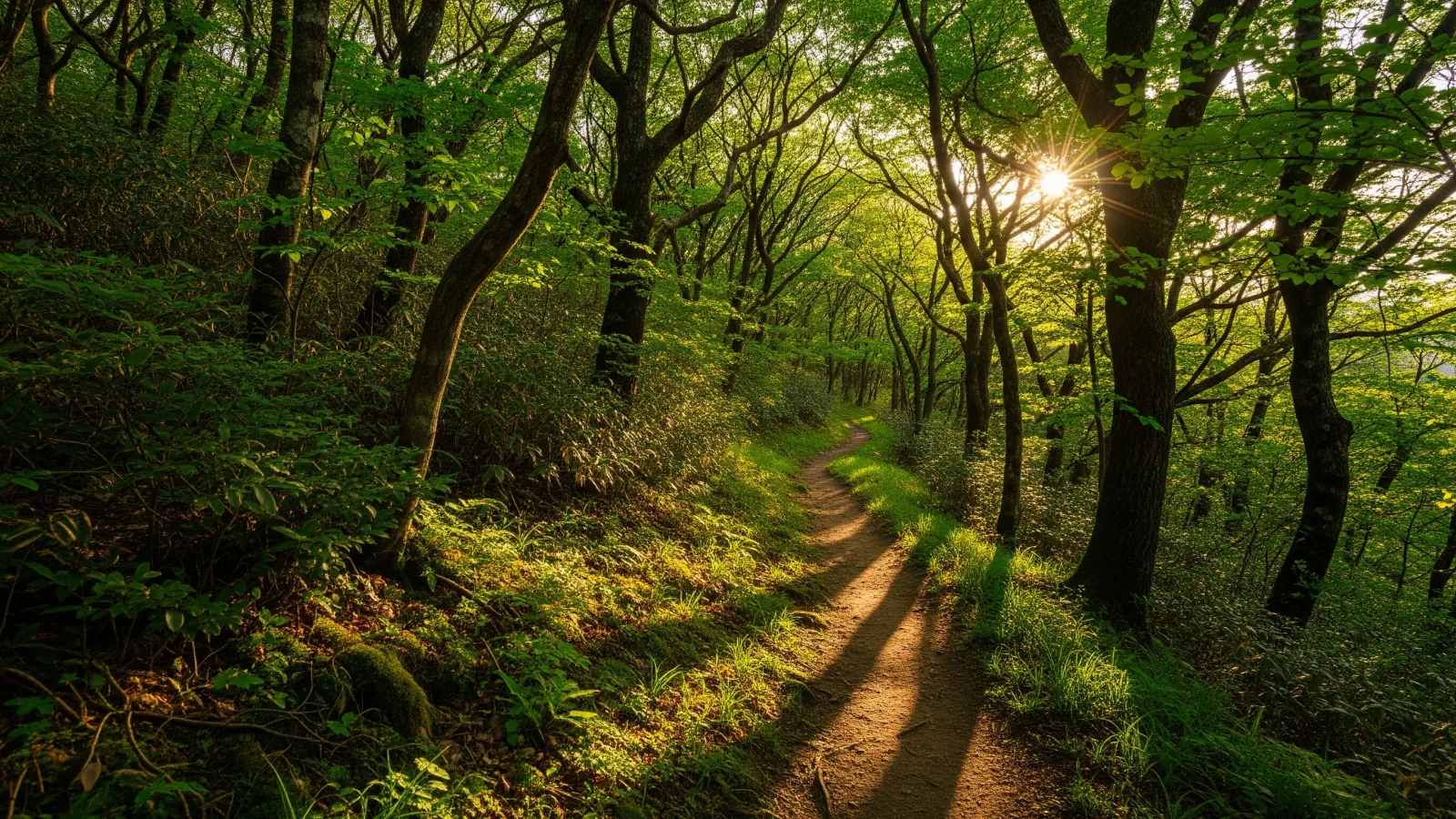
Walk into an outdoor shop and you'll see rows of technical clothing and new gear. Follow enough recommendations and the bill can quickly top ¥100,000. You can prepare for your first low-mountain hike using some gear you already own. Here's how to decide what to buy first and where to save your budget.
Three items to spend on first
Hikers sometimes talk about the big three: hiking footwear, a backpack, and rain gear. Start by checking fit and performance for these items, and bring the other safety essentials your route calls for.
Hiking footwear should fit your feet and give you a reliable grip. For a mostly paved route, your existing athletic shoes may work. On trails with exposed rocks and roots, prioritize grip and fit and choose the height and stiffness of the shoe for the terrain and your load.
A backpack with a capacity of around 20–30 L is one starting point for day hikes. Check that it holds the gear you need, then try it on with that gear inside. A well-fitting hip belt can transfer some of the load to your hips.
Rain gear protects you from rain and wind. Mountain weather can change quickly. Pack a waterproof jacket and trousers as conditions call for, and bring warm layers suited to the temperature and route.
For those three items new in Japan, ¥30,000–¥50,000 is one example of a budget. Prices vary by product and season. See what you can use from your own gear or rent, then decide what to prioritize.
Gear you can wait to buy
Which purchases can wait when you're getting started? Knowing the difference can bring the upfront cost down.
Technical base layers
Quick-drying hiking clothes are useful, but for an easy first hike you may be able to wear a polyester T-shirt or sportswear you already own. Where sweat or rain can leave you cold, avoid slow-drying cotton next to the skin and layer for the weather.
Trekking poles
Poles can support your walking, and you can wait to buy them. If you use them, practise adjusting their length and placing the tips on easy ground. Borrow a pair to see whether they suit your stride and planned route.
A high-end headlamp
A headlamp is an essential even on a day hike, in case you get down later than planned. Choose enough light for the trail, adequate run time, and weather protection for your route. Check that it works before leaving and pack compatible spare batteries or backup lighting.
Tent, sleeping bag, and cookware
These belong on overnight or camping trips. On a day hike you can leave them at home. Buying early can mean buying again later, once you know the kind of trips you like and discover that something is too small or heavier than you'd like.
Three ways to get started for less
When you look beyond those three priority items, you have several ways to assemble your kit.
First, look into rental services. Some rent out a whole hiking kit. For items like footwear or a backpack, which you need to try on to judge the fit, renting can help you decide what to buy.
Second, use things you already have. Along with the clothes mentioned above, your usual water bottle will work, and a supermarket or convenience store can supply trail snacks. See which items you can use before paying for hiking-specific versions.
Third, ask someone with hiking experience. People who have hiked for years can often name a couple of things they wish they'd bought differently. That experience can be more practical than a product description when you're deciding what to buy.
Summary
Getting into hiking can cost less than you might think. Start with hiking footwear, a backpack, and rain gear. Use what you already own or rent as appropriate, and let time on the trail show you what else to buy.
Once you've packed the gear your route calls for, start with a hike you can manage comfortably. Use what you notice on that first hike to choose your next gear. Finding what works is part of the fun. Build your kit at your own pace.